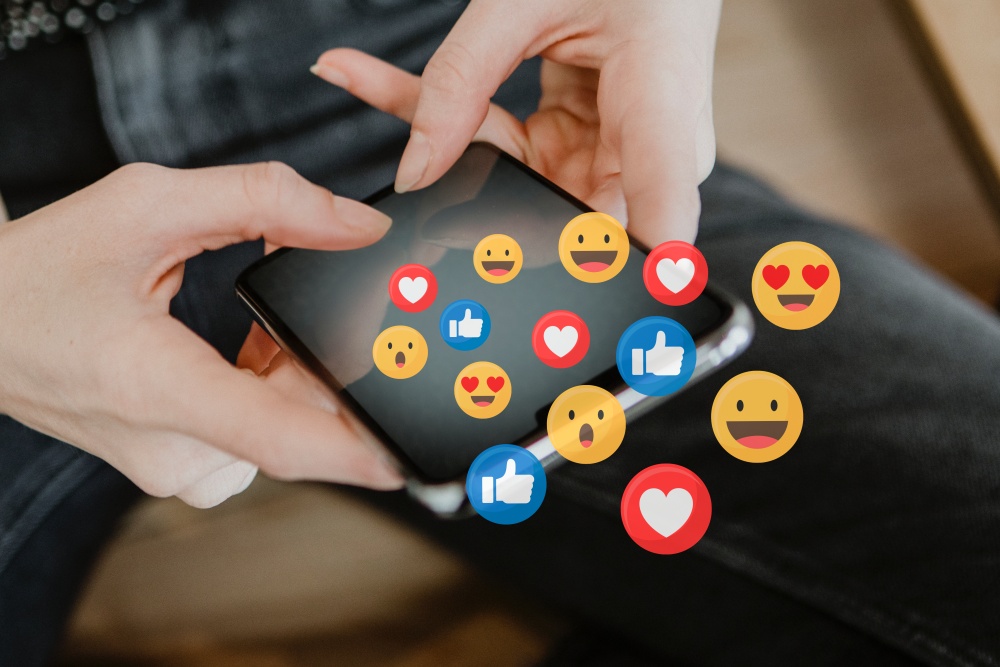
In the digital age, when consumers are exposed to countless advertising messages, authenticity becomes the key to the hearts and minds of the audience. Traditional advertising is often met with skepticism, while User-Generated Content (UGC) – content created by users – is establishing itself as a powerful tool for building trust, engagement and loyalty. UGC is not just a trend; it is a strategic asset that is changing the way brands communicate. This article examines what UGC is, why it is important, how it is used effectively and what its future prospects are, with a focus on global and Bulgarian examples, as well as the latest trends for 2025.
[ez-toc]
What is User-Generated Content (UGC)?
User-Generated Content (UGC) is any content – text, images, videos, reviews, comments – created by users, not brands. It reflects real experiences, opinions, or creativity of customers, making it authentic and credible. UGC can be:
-
Organic : Created voluntarily, without brand intervention, such as Google reviews or Instagram photos with a brand hashtag.
-
Paid : Created with brand guidance or incentives, but retaining its authentic character, often published directly from the brand's channels.
According to a Nielsen study, 92% of consumers trust recommendations from other people more than traditional advertising. Data from Hootsuite shows that 80% of consumers prefer UGC over branded content when making purchasing decisions, making it the modern equivalent of word of mouth.
Types of UGC
|
Type of UGC |
Description |
Example |
|---|---|---|
|
Reviews and ratings |
Reviews on platforms like Google, Amazon or Yelp |
Restaurant review on Google Reviews |
|
Photos and videos |
Product photos or unboxing videos |
TikTok video with a Nike product |
|
Social posts |
Posts with brand hashtags |
#GoPro with over 50 million posts |
|
Comments and forums |
Discussions on Reddit or Quora |
Product debate on Reddit |
|
Blogs and articles |
User stories on personal blogs |
Cosmetics review on a blog |
|
Polls and quizzes |
Interactive content on social networks |
Instagram Stories preference poll |
Why is UGC important for modern marketing?
UGC is at the heart of modern marketing strategies because of its authenticity, accessibility, and ability to engage. Here are the key reasons why it matters:
1. Building trust and authenticity
Consumers are skeptical of polished ads. According to Stackla, 79% of consumers find UGC to be 3.1 times more authentic than branded content. When customers see real people sharing their experiences, they feel more confident about their purchase. For example, 73% of consumers are more confident in products with UGC (Webfx), and 93% of marketers note that UGC outperforms traditional content in terms of effectiveness (Billo.app).
2. Increased engagement and community building
UGC encourages two-way communication. Sharing user-generated content shows that a brand values its customers, which builds loyalty. According to Bazaarvoice, posts with UGC have 28% higher engagement. Campaigns like Coca-Cola’s #ShareaCoke generate millions of interactions, creating a strong community.
3. Profitability
Creating professional content is expensive. UGC is a cost-effective alternative because brands are leveraging existing content. Meltwater calls organic UGC “almost free advertising.” Even paid UGC is cheaper than traditional campaigns while maintaining authenticity.
4. Improve SEO and online visibility
UGC contains natural keywords, which improves search engine rankings. According to Yoast, sites with active review sections have 15% more organic traffic. Sharing UGC on social media increases website traffic, with eMarketer reporting a 20% increase in marketing qualified leads (MQLs).
5. Influence on purchasing decisions
UGC is a powerful conversion driver. Flowbox found that UGC is 5x more likely to lead to a purchase. According to Sprout Social, 78% of millennials and 65% of Gen Z rely on UGC to make decisions.
6. Scalability and diversity
UGC is versatile and can be used on social media, websites, emails, or ads. For example, Tuckernuck increased their conversions by 190% by using UGC galleries on their product pages.
7. Psychological effect
UGC is based on social proof and reciprocity. Users share content because they want recognition or to express themselves. HubSpot notes that 60% of users create UGC when they feel valued by a brand.
UGC across social platforms
Different platforms offer unique opportunities for UGC:
-
Instagram : Ideal for visual content like photos and Stories. Hashtags like #NikeRunClub generate millions of posts.
-
TikTok : Popular for short, creative videos. Campaigns like #ChipotleLidFlip have attracted over 1 billion views.
-
LinkedIn : Suitable for professional UGC, such as career development stories or employer reviews, especially for B2B brands.
-
X : Useful for quick comments and discussions, but requires careful moderation due to the high risk of controversial content.
UGC in the Bulgarian context
In Bulgaria, where trust in brands is often built through personal recommendations, UGC is particularly effective. Local brands like Eldom use customer photos and videos to showcase the quality of their appliances. Restaurants like Happy Bar & Grill encourage customers to share photos of their meals with the hashtag #HappyMoments, increasing engagement. Lidl Bulgaria uses the #LidlFan campaign, where customers share recipes and photos of purchases in exchange for discounts. Zara Bulgaria shares photos of customers wearing their clothes, which increases local popularity.
Successful examples of UGC campaigns
|
Campaign |
Brand |
Description |
Results |
|---|---|---|---|
|
#ShareaCoke |
Coca-Cola |
Personalized bottles with names shared on social media |
Over 1 billion impressions in 80 countries |
|
#GoPro |
GoPro |
Users share adventure videos |
Over 50 million posts, sales growth |
|
Red Cup Contest |
Starbucks |
Photos of festive cups with creativity awards |
Millions of interactions, increased engagement |
|
#LidlFan |
Lidl Bulgaria |
Photos of purchases and recipes |
Increased local popularity and loyalty |
|
UGC Tutorials |
Iconic London |
UGC integration on website and Instagram |
126% increase in conversions, 11% increase in average order value |
Other examples include:
-
Refy, Sheerluxe, Mejuri : They use TikTok for spontaneous, authentic content.
-
Xero : A B2B brand that shares customer stories about its accounting software.
Challenges in using UGC
UGC brings benefits, but requires careful management:
-
Quality control : Low-quality content can damage your image. Tools like Yotpo help with moderation.
-
Reputational risks : Negative UGC requires a quick response to prevent damage.
-
Legal issues : Using UGC without consent may violate copyright. Brands must request explicit permission.
-
Ethical challenges : Exploitation of consumer labor or fake reviews undermine trust. Transparency is key.
-
Moderation : Managing a large volume of UGC requires resources and technology.
Technological tools for managing UGC
|
Tool |
Function |
Usage example |
|---|---|---|
|
Yotpo |
Collect feedback and visual content |
E-commerce |
|
Tagbox |
Creating UGC galleries |
Social networks and websites |
|
Sprout Social |
Engagement and moderation analysis |
Social campaigns |
|
Statusphere |
Connecting with micro-influencers |
Paid UGC |
Strategies for Effectively Using UGC
-
Create clear guidelines : Only 16% of brands provide clear instructions, but 53% of consumers want specific guidelines (Stackla).
-
Use unique hashtags : A hashtag like #LEGOxBelkin makes content easier to find.
-
Encourage engagement : Respond to UGC, share it, and reward creators.
-
Integrate across channels : Use UGC in emails, websites, or ads. Parachute achieved a 35% higher click-through rate with UGC.
-
Ensure ethics : Be transparent about paid UGC and avoid manipulation.
-
Practical steps:
-
Set goals : Determine whether the goal is to increase awareness, engagement, or conversions.
-
Choose a content type : Focus on reviews, videos, or case studies.
-
Choose platforms : Instagram for visual content, LinkedIn for B2B.
-
Make submissions easy : Create easy ways to share, like forms or hashtags.
-
Differentiation from influencer marketing
UGC comes from regular users, while influencer content comes from professional creators with large audiences. For example, UGC might be a spontaneous photo of a customer, while an influencer creates a polished video. Brands are combining the two by using influencers to promote UGC campaigns, as Gymshark did with #Gymshark66.
Ethical and cultural aspects
-
Ethical challenges : Brands must avoid exploiting consumer labor through fair incentives. Fake reviews or a lack of transparency undermine trust.
-
Cultural adaptation : In Bulgaria, UGC campaigns should reflect local values, such as trust in personal recommendations. Localized hashtags and content in Bulgarian increase effectiveness.
UGC Trends for 2025
-
Lo-Fi UGC : Raw, authentic content, like smartphone videos, resonates with young audiences. Clarins uses Lo-Fi content on TikTok and Instagram (Tallwave).
-
Employee-Generated Content (EGC) : Employees share stories on TikTok, Instagram Reels, and LinkedIn, building trust. Boots UK and HubSpot are examples (PostBeyond).
-
AI-Generated UGC (AIGC) : AI tools like TikTok Symphony Studio are creating personalized UGC. Coca-Cola is experimenting with AI videos (AdCreative).
-
UGC for B2B : B2B brands like Xero use customer stories for engagement (Xero).
-
Short videos : Videos under 30 seconds dominate TikTok, Instagram, and YouTube Shorts (Joseph Creative).
The future of UGC
UGC will continue to evolve with the advancement of technology:
-
Artificial Intelligence : AI will facilitate UGC analysis and selection by identifying the most relevant content.
-
AR/VR : Brands like IKEA are experimenting with AR for virtual product visualizations.
-
Blockchain : The technology can authenticate UGC, preventing fake reviews (Oodaloop).
-
Cross-channel : Seamless integration of UGC across social networks, websites, and emails will create a unified brand experience.
Conclusion
User-Generated Content is a transformative element in modern marketing , combining authenticity, engagement and profitability. From building trust to increasing conversions, UGC allows brands to connect with their audience in a unique way. In Bulgaria, where personal recommendations are highly valued, brands like Lidl and Eldom are demonstrating the power of UGC. With the right strategy, ethical management and technologies like AI and AR, UGC will continue to shape the future of marketing, turning customers into creators and brand ambassadors.